


In recent years, with the development of science and technology and the demands of industrial production, the quality requirements for casting alloys have become increasingly strict. For some castings, not only are qualified chemical compositions and mechanical properties required, but also superior internal and external qualities. However, traditional melting and casting processes often fail to meet these requirements, with the key issue being that the non-metallic inclusions in the alloy exceed the allowable range. To reduce the impact of non-metallic inclusions, on the one hand, strict requirements have been imposed on the raw materials used in alloy preparation, and on the other hand, efforts have been made to take measures in the casting process. Casting filtration technology has developed as a new process for filtering and purifying molten metal under these circumstances.
2025-04-24 17:52:31
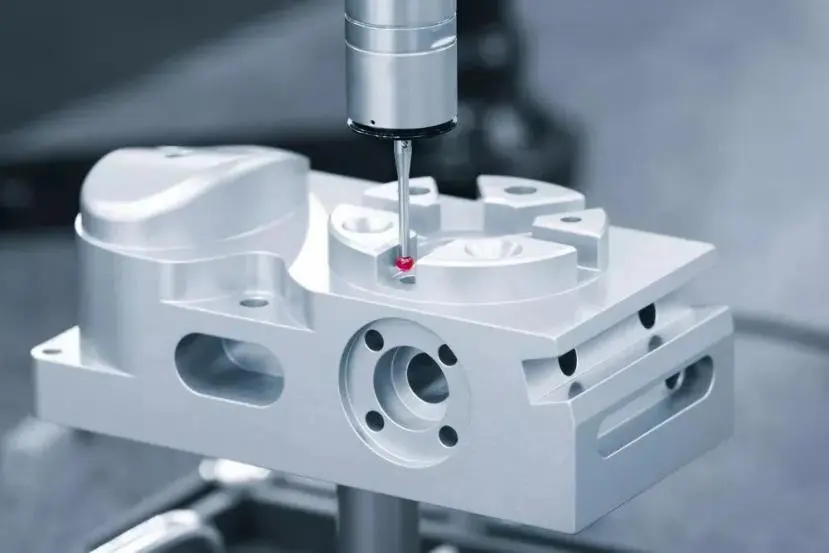
High production efficiency: Die casting can complete the filling and solidification of metals in an extremely short time, with a short production cycle, making it suitable for mass production. For example, the production efficiency of hot chamber die casting machines can reach 15 cycles per minute, while cold chamber die casting machines, although having a longer cycle time, have high-pressure injection capabilities that enable them to produce more complex and thin-walled castings.
2025-04-24 17:38:26
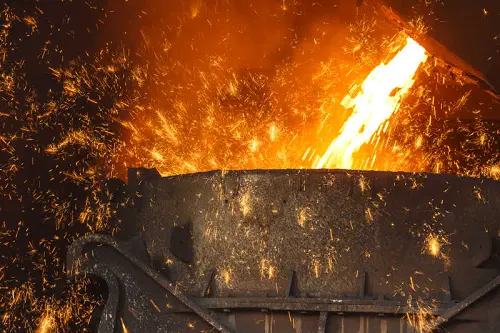
The amount of aluminum used for final deoxidation of molten steel should be appropriate. Insufficient aluminum will result in a residual aluminum content exceeding 0.04%, which can lead to type II inclusions and affect the steel's properties. Excessive aluminum may cause harmful type II inclusions and may also result in "stone-like fracture" defects. Special fractures that occurred in cast steel parts were later confirmed to be mainly caused by aluminum nitride (AlN). To avoid "stone-like fracture", the aluminum content must be strictly controlled, with the upper limit generally below 0.12% and not exceeding 0.14% at most. At the same time, the aluminum recovery rate should be stable. Methods of adding aluminum for deoxidation include gradually adding small pieces of aluminum into the molten stream or fixing them on a steel rod and inserting it into the molten steel. Some foreign factories use aluminum alloys containing 35% aluminum for indirect aluminum addition, which has a good effect.
2025-04-24 17:35:26
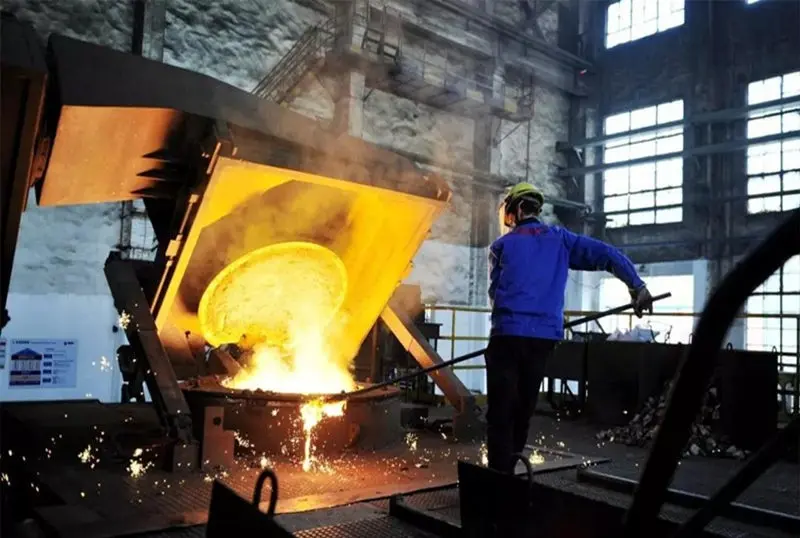
At present, there is no effective method to prevent secondary oxidation during the steel casting process. Therefore, it is necessary to ensure that the steel liquid is well deoxidized in the furnace. The steel casting factory, on the basis of strictly controlling the reduction operation, requires that the FeO content in the slag before steel tapping be kept below 0.5%. The deoxidation requirements vary with different steelmaking methods.
2025-04-24 17:31:52
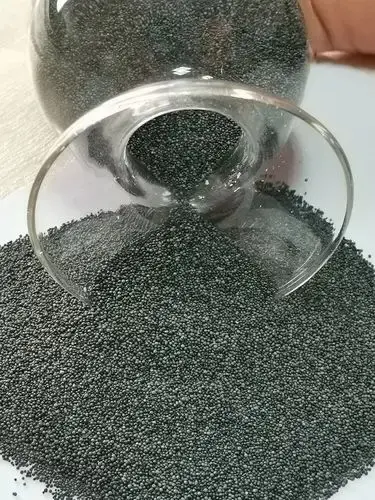
Large cast steel parts usually require the pouring of tens of tons or even hundreds of tons of molten steel. Some sand cores are surrounded by a large amount of molten iron. The thermal effect of molten steel on molding materials lasts for a long time, and the static pressure head is also very high. The working conditions are extremely harsh. Therefore, chromite sand is widely used as facing sand in the production of large cast steel parts. Currently, the better quality chromite sand is high-quality imported foundry-grade chromite sand. Although the expansion rate of chromite sand is relatively low, its angularity coefficient is large, the particle shape is relatively poor, and the core fluidity is poor, which can lead to poor permeability and collapsibility in the later stage. In some cases (such as some thin-walled or blind hole sand cores), even chromite sand is difficult to clean out, which correspondingly increases the cleaning work of the castings.
2025-04-18 18:10:22
_1744970802738.webp)
Permeability refers to the ability of molding sand to allow gases to pass through its pores. It is crucial in the casting process because good permeability enables the smooth escape of gases generated from the evaporation of moisture, combustion of organic matter, and decomposition and volatilization of certain substances within the molding sand to the outside of the mold, thereby preventing the formation of gas holes in the castings.
2025-04-18T10:07:31.000Z
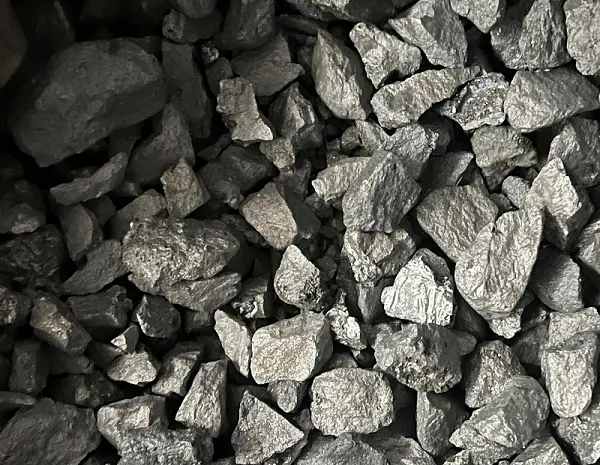
Promoting graphite spheroidization: Spheroidizing agents can introduce stable elements (such as magnesium, rare earths, etc.) into liquid iron. These elements combine with carbon in the iron to form spherical graphite. Compared with flake graphite, spherical graphite has a reduced tendency to fracture the matrix, thereby enhancing the strength, plasticity and toughness of cast iron.
2025-04-17 17:23:43
Preventing Metal Penetration and Sand Adhesion: The unique spherical particle shape and excellent permeability of Baozhu sand make it effective in preventing metal penetration and sand adhesion on the thick surfaces, hot spots, and riser roots of large steel castings, thereby enhancing the surface quality of the castings.
2025-04-17 17:20:27
Porosity control in casting process: During the casting process, the casting temperature and casting speed should be strictly controlled to avoid porosity caused by overheating or undercooling of the molten metal or by too fast or too slow casting speed.
2025-04-17 17:18:48
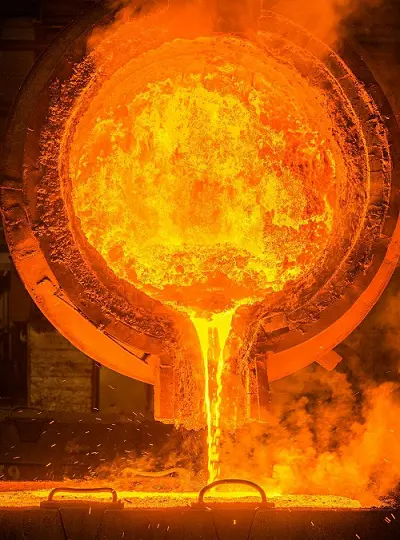
Improving the metallurgical quality of cast steel, deoxidation treatment is a crucial step. The following is an analysis of the importance of deoxidation in the metallurgical process of cast steel:
2025-04-11 17:09:44
Precision ceramic polishing with a high-precision requirement of Ra 0.025 μm is a complex and highly delicate processing technology that requires the integration of mechanical, chemical, and precise control techniques.
2025-04-08 18:34:09
The shape of the zircon sand grains is close to spherical, with good fluidity and high permeability. It can fill the slender holes, the inner angle parts of the castings and the complex inner cavity parts, and is also relatively easy to be compacted. It has high strength, does not break or powder, and has good reusability. It can also reduce the production cost of castings and improve the working environment in the workshop. It has been widely used in lost foam casting.
2025-04-08 18:32:38
367